Journal / 文章
照片之外,我还会记两句
风有多大、店里放什么歌、朋友为什么迟到,这些小事往往比精心写的标题更能带我回去。
I keep a few lines beside the photograph
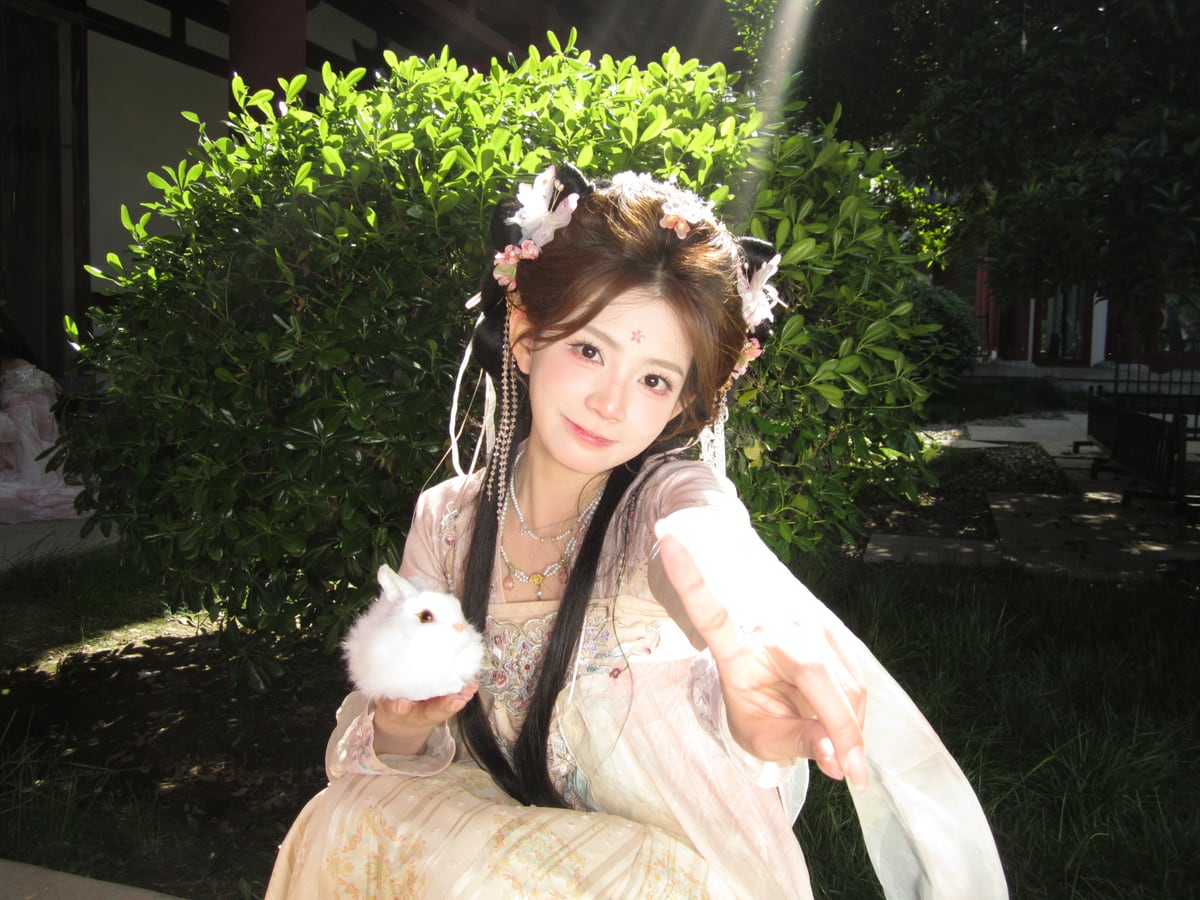
翻以前的照片,我常记得日期和地点,却想不起拍完以后发生了什么。画面很清楚,现场的声音和气味却已经丢了。
所以现在选完照片,我会顺手记两三句。那天刚下过雨,店里在放哪首歌,朋友晚到了十分钟,回宿舍时鞋子有点湿。这些话不适合当标题,也不需要发给所有人看,但以后再读,会比“今天很开心”更有用。
我不要求自己每天写日记。拍摄地点、一句原话、一个当时觉得好笑的细节,记住其中一项就行。记录太完整,反而很容易因为麻烦而放弃。
写新闻时要核对时间、地点和人物;写自己的生活,可以再多留一点心情。我会把两种都写下来,也尽量分清哪句是事实,哪句只是我当时的感受。
这个网站上的文字也想这样写。照片能看见的就不重复解释,补上风、声音,还有按下快门前后发生的那一点事。
Read the English versionThe wind, the song in a shop, or why a friend was late can bring me back more clearly than a polished caption.
When I look through old photographs, I often remember the date and place but not what happened after the picture. The image remains clear while the sounds and smells of the scene disappear.
Now, after selecting photographs, I write two or three quick lines: it had just rained, a certain song was playing in the shop, my friend was ten minutes late, or my shoes were wet on the walk back. These sentences do not make polished captions, and they do not all need to be public. Later, however, they help more than “I was happy today.”
I do not require myself to keep a full diary. A location, one remembered sentence, or a detail that made me laugh is enough. If recording has to be complete, I am more likely to stop doing it.
In journalism I check time, place, and people. In a personal note I can also keep how I felt, as long as I know which sentence is fact and which is my memory of it.
That is how I want to write on this site too: do not explain what the photograph already shows; add the wind, the sound, and the small thing that happened just before or after the shutter.