Journal / 文章
按快门前,我会多看一会儿
先别急着拍。我会看看光落在哪里、朋友是不是自在,也看看画面边上有什么。
Before the shutter, I look a little longer
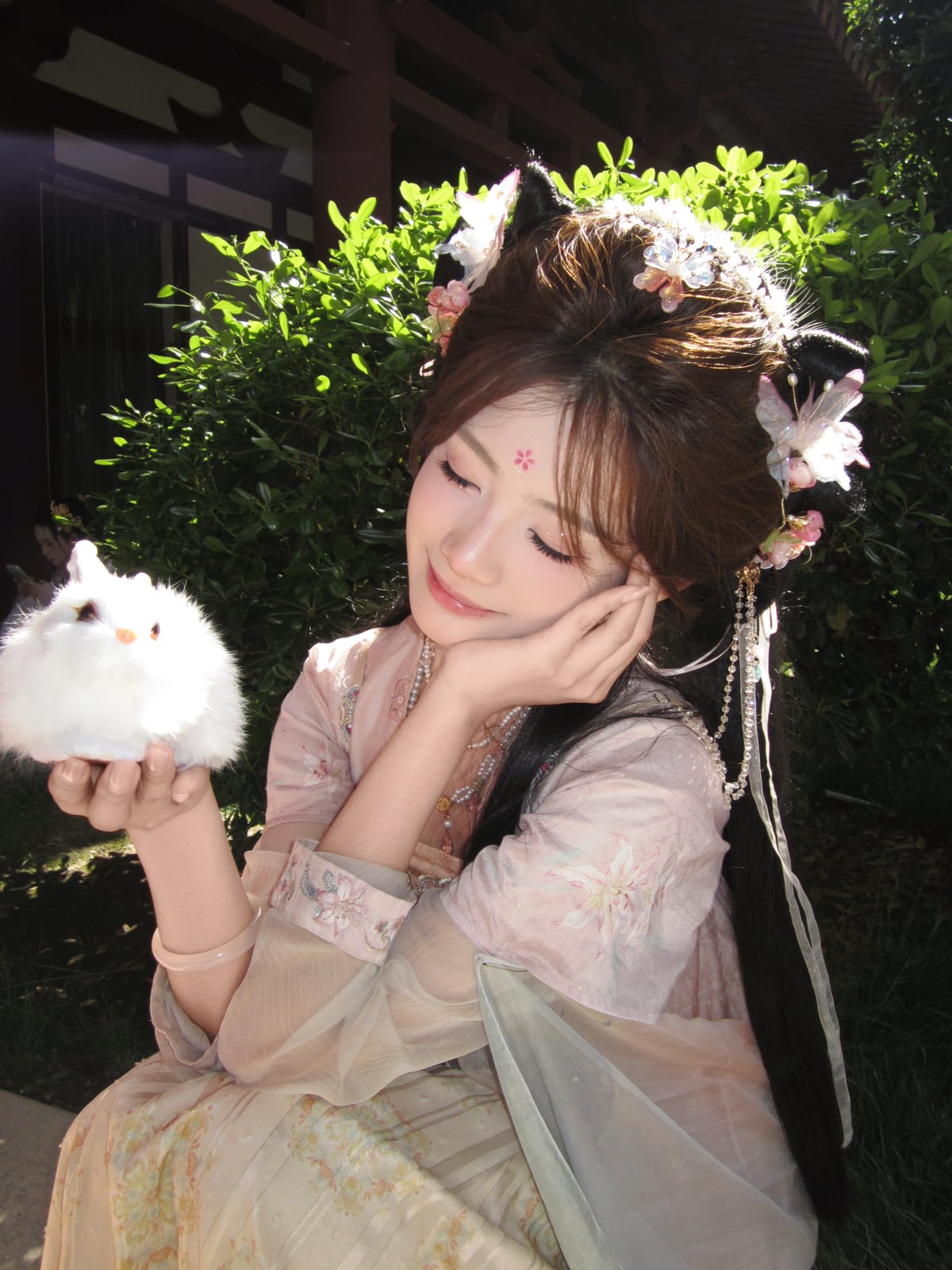
以前看到一束好看的光,我会马上拿起相机,怕晚一秒就错过。拍得多了以后,我发现没赶上光很少让我后悔;照片里的人表情不自然,或背景抢走注意力,才更常让我删掉一张照片。
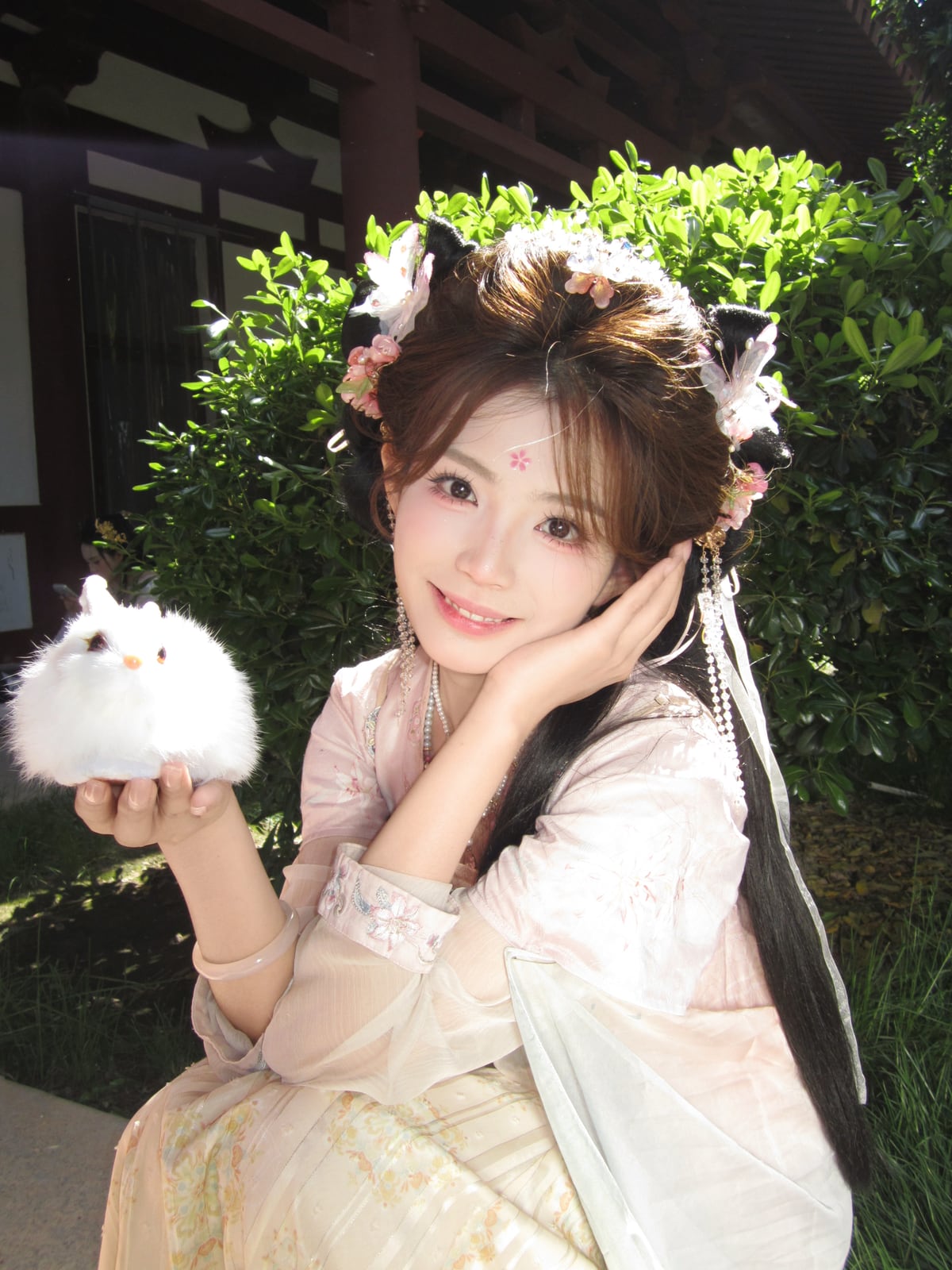
现在我会先看光落在哪里。脸上太亮,就换半步;背后有一块过曝的天空,就蹲一点或等云过去。阴影不用全部提亮,有时候它正好能把人物和背景分开。
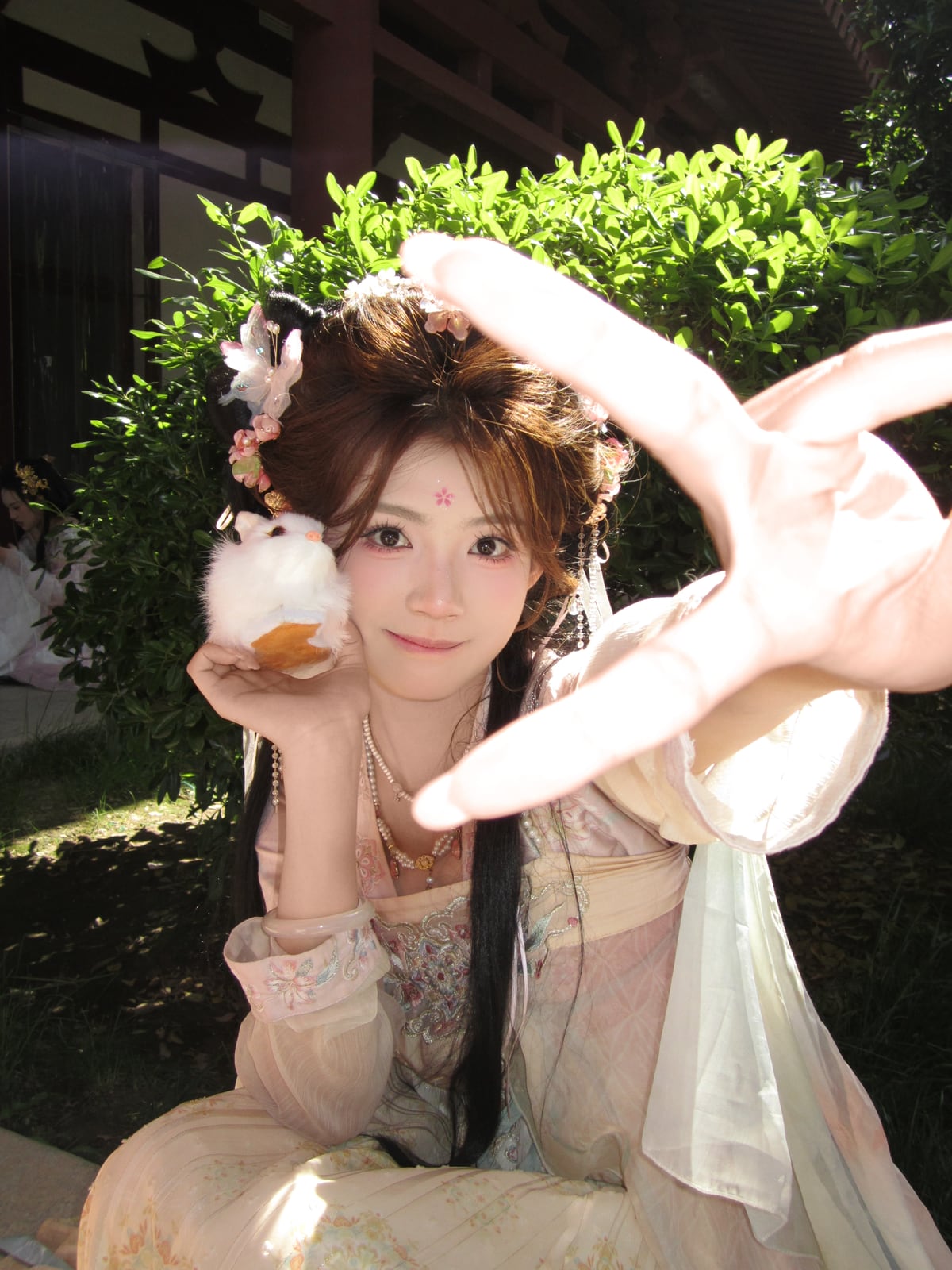
然后看人。朋友正在说话时,我不会为了拍照突然把她叫停。她如果注意到镜头后变得拘谨,我就先把相机放下。比起得到一张构图标准的照片,我更希望她以后看到照片时,觉得那就是当时的自己。
最后看边上。树枝有没有切到脸,路人会不会刚好走进画面,旁边正在发生的事是不是比我原本想拍的更有意思。有时我会往后退几步,有时干脆不拍。
这些动作其实只要几秒。它们没有让我错过更多,反而让我少拍了很多回来以后不会选的照片。
Read the English versionBefore taking the picture, I check the light, whether my friend feels comfortable, and what is happening around the edge of the frame.
I used to raise the camera as soon as I saw good light, afraid that one second would be too late. After taking more photographs, I learned that my real regrets were usually not about missing the light. They were about an uncomfortable expression or a distracting background I had failed to notice.
Now I first check where the light falls. If a face is too bright, I move half a step. If the sky behind it is blown out, I lower the camera or wait for a cloud. Shadows do not always need to be lifted; sometimes they separate the person from the background.
Then I look at the person. If a friend is talking, I do not stop her just for a photograph. If she becomes tense after noticing the lens, I put the camera down for a moment. A technically correct portrait matters less than one in which she still recognizes herself.
Finally I check the edges: whether a branch cuts across a face, whether someone is about to walk into the frame, or whether something more interesting is happening beside my original subject. Sometimes I step back. Sometimes I do not take the photograph.
All of this takes only a few seconds. It has not made me miss more moments; it has simply reduced the number of pictures I would never choose later.